
Data breaches represent a major threat to businesses. According to IDSA, 90% of companies experienced digital identity security issues in 2024.
Uber was recently attacked — criminals used social engineering to steal credentials. MGM Resorts in Las Vegas was also affected. Adobe had data from 153 million users exposed, resulting in a US$1 million legal settlement.
Regulatory penalties can be extremely high. GDPR fines can reach 20 million euros. CCPR violations range from US$2,500 to US$7,500 per incident. These figures represent only part of the total damage, which also includes reputational harm.
Digital identity protection is essential. Solutions such as those offered by ACTAR for Data Protection, Identity Management, and Privileged Access Management are critical. They provide granular control over access and critical credentials.
What is a data breach and its impact on businesses
A data breach occurs when confidential information leaves the control of an organization. This can happen when personal or corporate data is accessed without authorization. For companies in Brazil, this is a major cyber risk.
A security incident is any event that puts data protection at risk — including unauthorized access and the accidental loss of files. Regulations and compliance standards require organizations to have strong measures in place to prevent these issues.
The exposure of corporate data can cause serious consequences:
- Financial fraud and scam attempts
- Misuse of sensitive information
- Illegal sale of data on the dark web
- Loss of client trust
- Significant regulatory fines
Brazil’s National Data Protection Authority (ANPD) has been receiving an increasing number of complaints regarding improper exposure of personal information. Since 2021, the General Inspection Coordination unit has logged numerous reports of incidents involving Brazilian citizens’ data being published online without consent.
Cyber risks from data breaches affect organizations of all sizes. Small businesses struggle to recover with limited resources. Large corporations face severe reputational damage. Protecting data is therefore essential for success in the digital business environment.
See also: Cyberattacks: what they are, main types, and how to protect your company
Why do data breaches occur?
The causes of data breaches stem from security gaps that many organizations overlook. Many incidents occur when employees have excessive access to systems, or when former employees still have active credentials.
The most common enterprise vulnerabilities include:
- Weak passwords shared across departments
- Lack of control over who accesses sensitive information
- Personal devices connected to the corporate network without oversight
- Absence of clear policies for remote work
Social engineering attacks are another major risk. Criminals impersonate vendors or partners to obtain credentials. A single fraudulent email can compromise an organization’s entire security posture.
Consequences for businesses of all sizes
Non-compliance with data protection regulations can result in fines of up to 2% of annual revenue. Small businesses may be forced to halt operations for weeks. Large enterprises can lose millions.
Reputational damage directly impacts sales. Clients lose trust and turn to competitors. Rebuilding credibility takes years and comes at a significant cost.
The ANPD must be notified immediately of any incident that could compromise data. Failure to do so aggravates the applicable penalties.
Identity and access management: the pillar of prevention
Identity and access management is essential for protecting organizational data. It ensures that only those who should have access to company resources actually do — at the right time and for the right reasons.
The concept of least privilege is key to security. Each individual receives only the access they need to perform their role. This significantly reduces the risk of attacks.
How identity management reduces risk
Multi-factor authentication (MFA) adds a critical security layer to the login process. Even with a stolen password, attackers cannot gain access without the second factor. Real-time monitoring helps detect suspicious behavior immediately. Managing privileged access risks without specialized tools is virtually impossible today.
ACTAR’s Identity Protection: a complete identity management solution
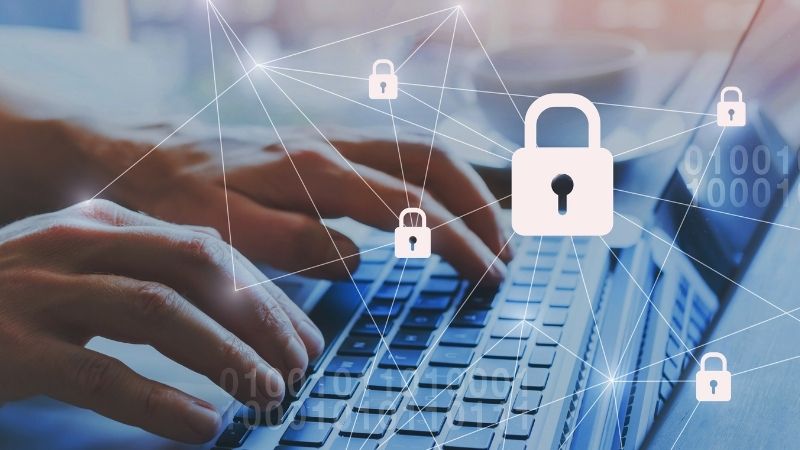
Digital security has never been more important. ACTAR’s solutions are a direct response to the challenges of cybersecurity, leveraging advanced technologies and proven identity management practices.
ACTAR’s identity management offering goes well beyond legacy practices. Encompassing the centralized administration of digital identities, the management of privileged resource access, and the security layers applied to those identities, ACTAR’s Identity offering provides not only a vision of the possibilities to be pursued in this domain, but also hands-on support throughout the entire identity management journey — grounded in the Zero Trust framework, preventing credential misuse, and validating access to the organization’s most critical assets.
As a result, ACTAR’s security solutions become flexible options tailored to each organization’s needs. They adapt to the complexity of different environments, protecting both on-premises infrastructure and hybrid environments while maintaining security across all access points.
Benefits of integrated identity management
Implementing an integrated identity management system is essential for organizations. This practice delivers benefits that go far beyond data security, creating real value across multiple areas of the business. As more people work remotely, risks increase — and an integrated system monitors and controls access, preventing intrusions.
Maintaining compliance with data protection regulations is critical. By 2025, 70% of the world’s population will be covered by specific data privacy laws. Implementing identity and access management helps organizations comply with global regulations and simplifies audits by providing clear visibility into who accesses what.
This approach also improves organizational productivity. Employees gain secure access without bureaucratic friction, and IT operations benefit from automated processes. The key advantages are:
- Reduced breach exposure through continuous monitoring
- Prevention of unauthorized access
- Simplified audits and reporting
- Streamlined onboarding and offboarding processes
This integration not only ensures regulatory compliance — it strengthens the organization’s overall security posture and creates a safer, more efficient digital environment.
How to implement Identity Protection in your company
The first step is conducting a thorough internal assessment. It is important to understand what types of data you hold, how they are categorized, and in what volume. This enables you to prioritize protection for the information most critical to your business.
ACTAR’s security strategies support implementation through specialized consulting. Our team analyzes your infrastructure and develops tailored strategies for each organization.
Want to learn more about our Identity Management practice? Speak with our specialists